

Melbourne/Naarm
People-Informed Care
Creating and Embodying Safer Spaces
Our signature training for practitioners seeking a more integrative, relational approach to working with trauma

Despite the high prevalence of trauma in our general population, most practitioners find themselves ill-equipped to support people with trauma, in a way that is safe, skillful, and sustainable.
This is the course we wish we had when we started working as health professionals. Not just trauma-informed, but truly understanding and knowing how to work with people with diverse lived experiences that can make accessing safe and effective care harder.
We believe all practitioners need to be trauma-informed, and we dream of a world where integrative, relational, sustainable care is the norm.
Come and learn with us, and join the growing community of people-informed practitioners.
What You Will Learn
Across this training, we explore:
Contemporary understandings of trauma and the evolving evidence base
Practical models for working with trauma
The nervous system and its clinical applications
Therapeutic relationships, co-regulation, and transference
Intersectional and inclusive practice
Practitioner care and sustainability
Applied case studies and clinical scenarios
This course is designed to move beyond theory.
Through evidence-informed teaching, embodied practice, reflective discussion, and clinical application, you will build the clarity, confidence, and practical skills needed to create safer spaces — for your clients and for yourself.
What to Expect
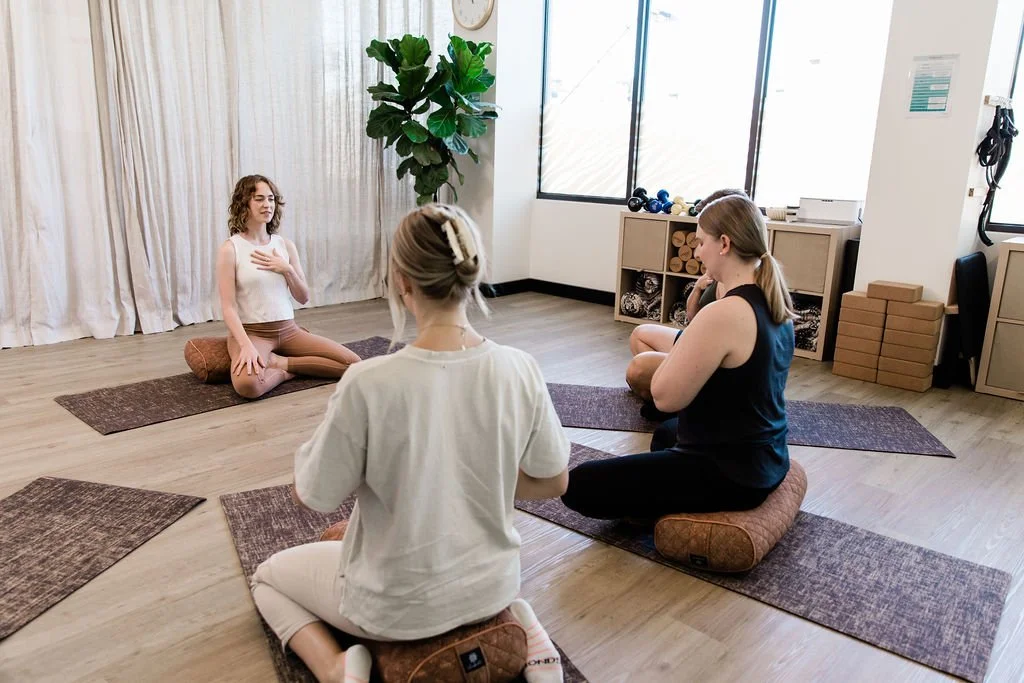
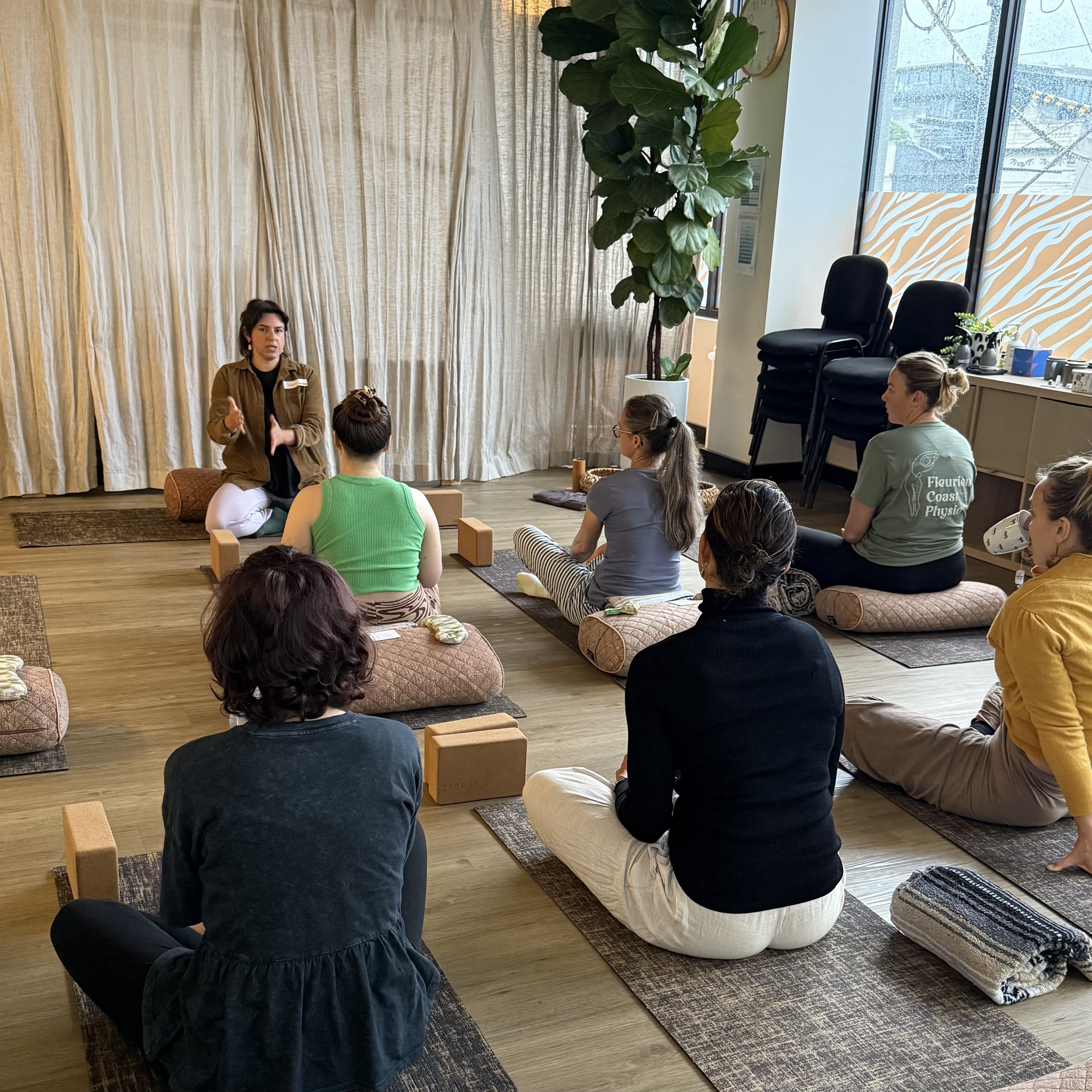
This 20-hour training is delivered across two in-person training days, two online integration sessions, and supported self-directed learning. This immersive experience goes beyond trauma-informed frameworks, we explore what it means to practice in ways that are not only informed by trauma, but deeply informed by people.
Because understanding trauma is essential.
But embodying safer, more sustainable care is transformational.
❋ learn from industry leadersOur facilitators bring extensive clinical experience and pioneering expertise in integrative care. Through short, evidence-informed lectures, they combine real-world insight with the latest research to guide your learning.
❋ Apply practical toolsMove beyond theory to implement strategies you can use immediately in your practice. Gain new perspectives that focus on the human element often overlooked in healthcare
❋ build confidence and communityStrengthen your presence in therapeutic relationships, explore complex casework, and develop inclusive, compassionate approaches. Learn in a supportive community of like-minded practitioners while pacing your growth for long-term professional fulfillment.
❋ A Somatic, embodied approachIntegrate your learning through body-based practices designed to make knowledge lasting. These tools support your wellbeing while helping you create sustainable, meaningful change for your clients.
Do I really need to learn about trauma?
It is estimated 75% of Australian adults have experienced a traumatic event (Productivity Commission estimates using ABS 2009). We’re here to tell you that you’re going to encounter trauma in your practice.
With the right framework, you can serve them just as confidently as anybody else, often with life-changing results.
Trauma-informed care and trauma-sensitive practice can enhance patient safety, reduce risk of retraumatisation, improve patient engagement, treatment adherence, and health outcomes, as well as practitioner wellbeing, across all disciplines.


People-Informed Care
For the practitioners ready to bring a trauma-informed, relational, and integrative approach to their care.
Delivery format
• 2 days in person
• 2 live online session
Location
Zebras Australia
14-15/71 Victoria Cres
Abbotsford, VIC
Investment
Standard price: $1008
Scholarships may be available for eligible candidates
What’s included
• Physical course manual
• Certificate on completion for Limbr’s People-Informed Care training
• 20hrs of CPD
Places are limited.
✺ Frequently asked questions ✺
-
People-Informed Care will be hosted at Zebras Australia, which you can find at 14-15/71 Victoria Crescent in Abbotsford, Victoria.
-
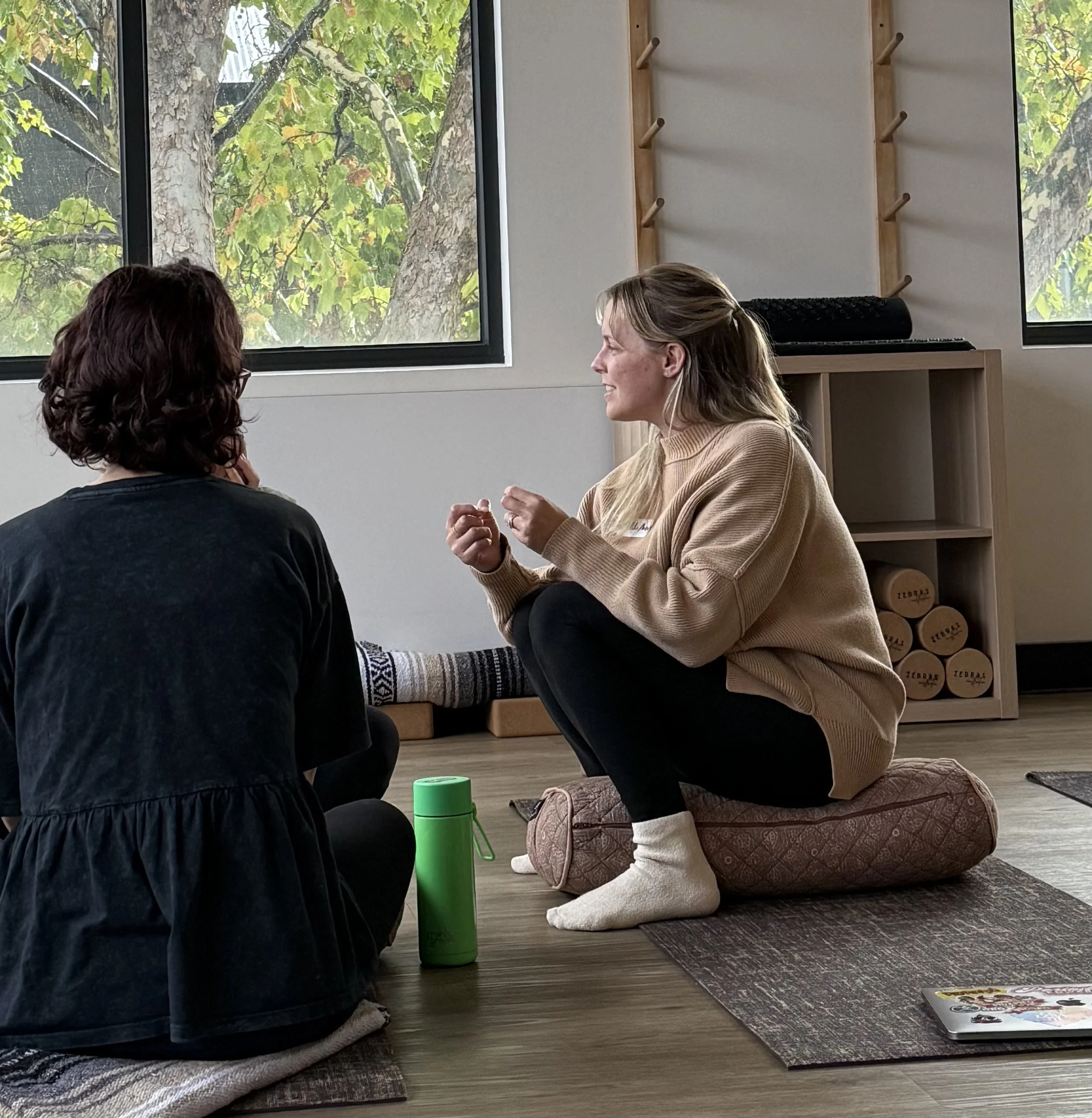
This two‑day, in‑person course blends lectures, group discussions, live demonstrations, and practical laboratories to cater to a wide variety of learning styles.
Additionally we have two online meetings (before and after the course) to support integration, reflection, and application of strategies. -
Our course is limited to 15 participants to ensure an intimate, supportive learning environment, and a generous facilitator-to-participant ratio.
-
Yes! All participants who attend all parts of the course will receive a certificate of attendance with hours listed for CPD reporting.
-
This training will be facilitated by our Founders and Directors, Irene Ais (she/her), Maddie Hicks (she/her) and Mel Williams (she/her). You can read their bio on the Team page.
-
Yes. Whether you’re new to understanding trauma or have some experience, this course is designed for growth. We start with foundation-level knowledge and progressively integrate skill building, care modifications, and nervous-system-informed care. You'll leave with confidence—and a clear path forward.
-
There’s no formal preparation required, your curiosity and openness are more than enough.
However, if you would like we can share some of our favourite books and resources on the topic ahead of time. -
This course is non-refundable, but fully transferable up to 2 days before course commencement.
Use your credit to rebook for any of our upcoming courses for up to 2 years. -
We currently offer 10% discount to support early commitment on any bookings made before the end of February 2026. Use code EARLY at checkout.
We also have a small number of scholarships available. Criteria and application can be found below. -
If you work as a health professional, practitioner, movement facilitator, or caregiver, statistically, you are already working with people who have experienced trauma.
Trauma-informed care can enhance patient safety, reduce risk of retraumatisation, improve patient engagement, treatment adherence, and health outcomes, as well as practitioner wellbeing, across all disciplines.
We are committed to making this course accessible and inclusive.
A limited number of scholarships are available for individuals who may not otherwise be able to take part. Priority will be given to:
Individuals who work in not-for-profit or community organisations, serve marginalised populations, or work in remote or regional areas
First Nations, Aboriginal, Torres Strait Islander, Black, Indigenous and/or People of Colour (BIPOC)
People experiencing financial hardship
Your responses will be treated confidentially and used only for the purpose of assessing your eligibility for a scholarship.
Applications due by 1st April.
